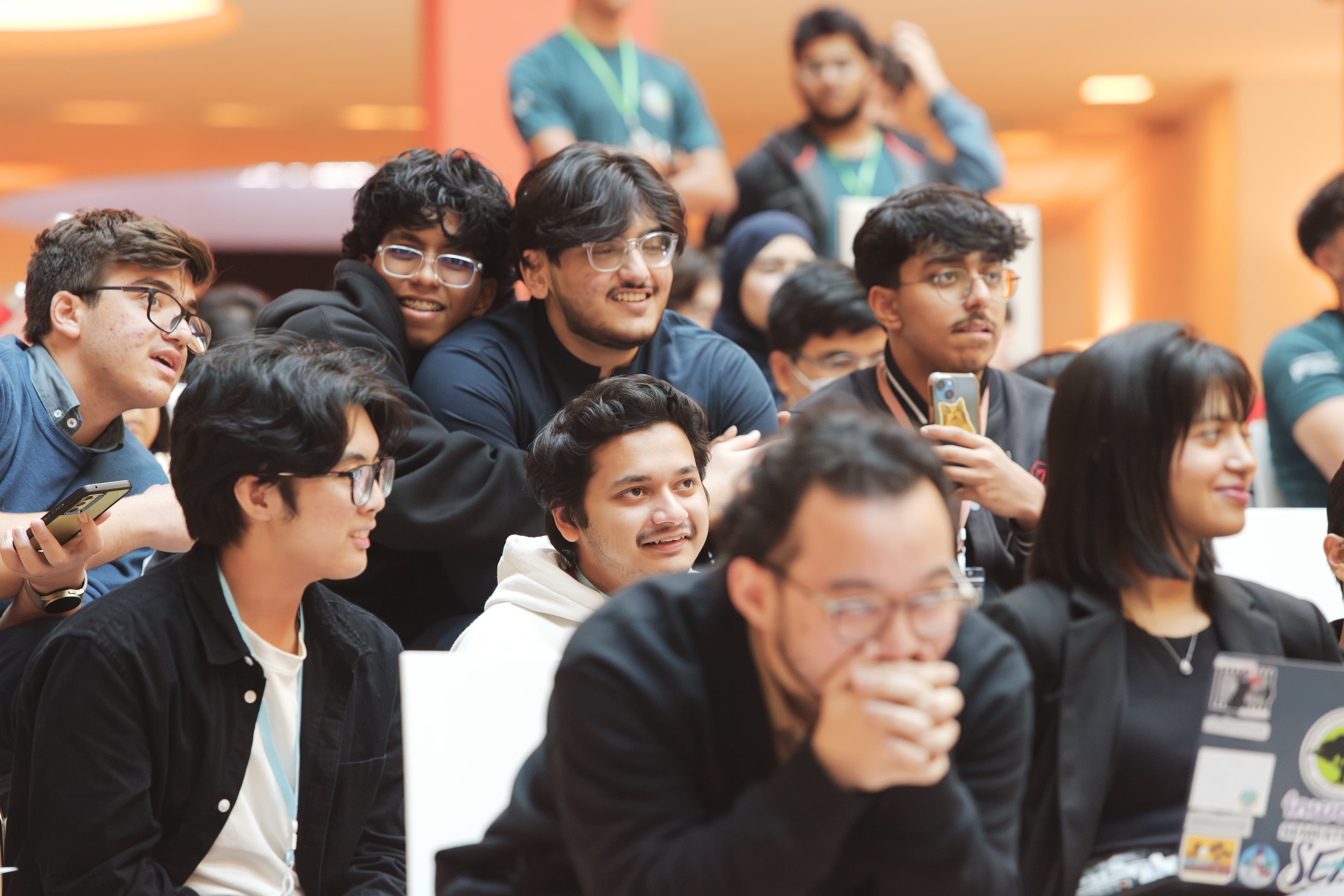
Who We Are
The first of its kind in Qatar, LifeLines is a Humanitarian Innovation Initiative built by undergraduate students who refused to be passive spectators. Instead they became active agents, channeling their anger, grief and helplessness into meaningful action.
Today, LifeLines runs under the Hamad Bin Jassim (HBJ) Center for Computer Science Education at Carnegie Mellon University in Qatar.
Founded and built by these students
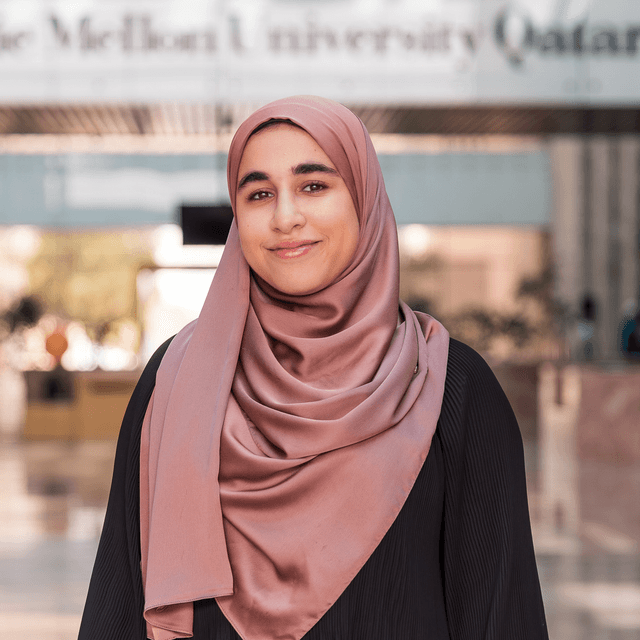
Nour Ali
Team Lead
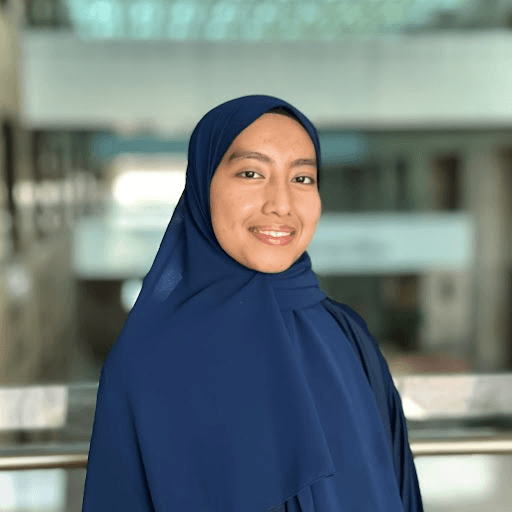
Aaliya Savira
Media & Public Relations
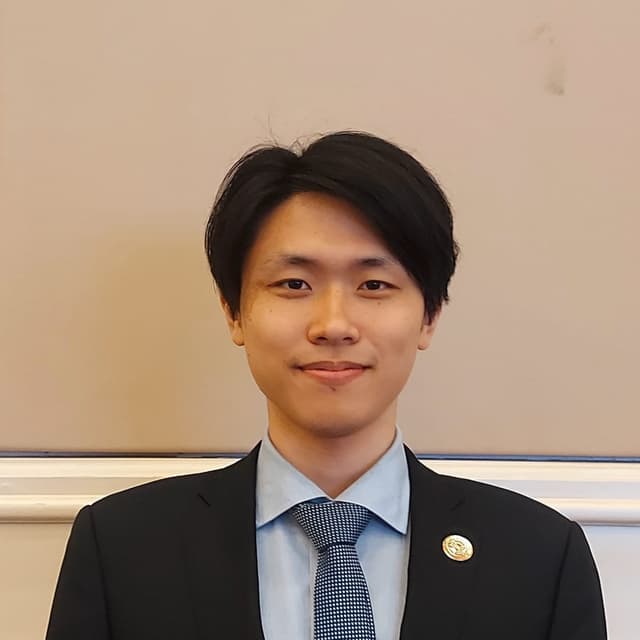
Eric Gao
Tech Lead
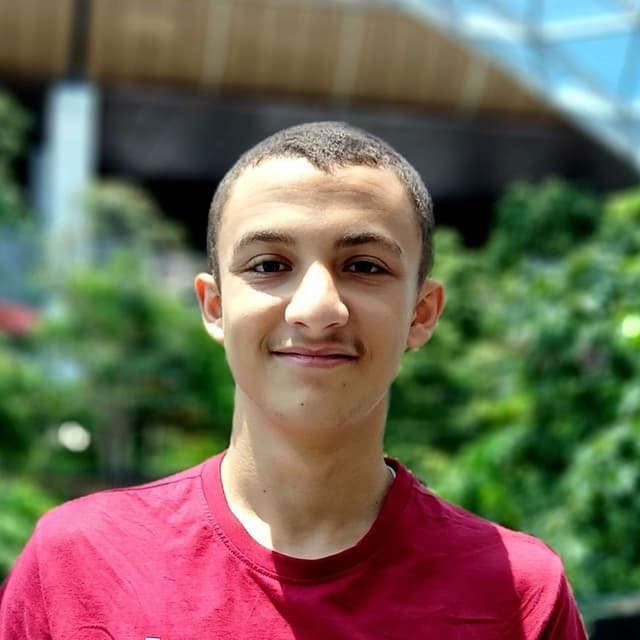
Mohamed Elsayed
Outreach Coordinator
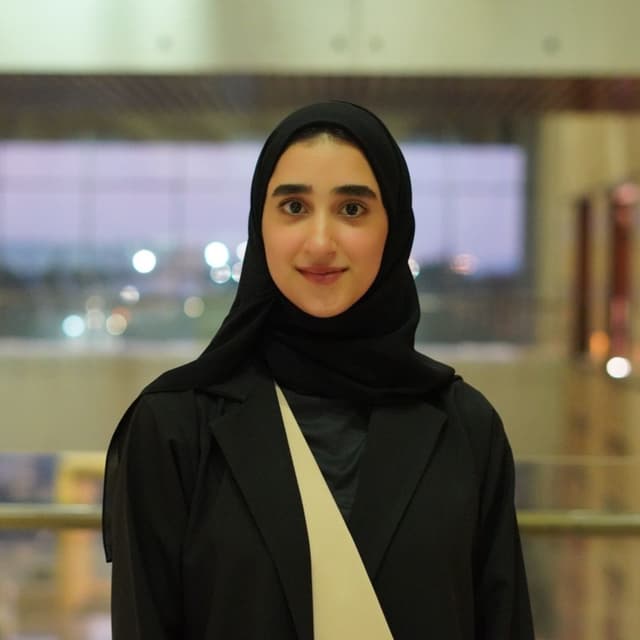
Maryam Khodadadi
Media & Public Relations
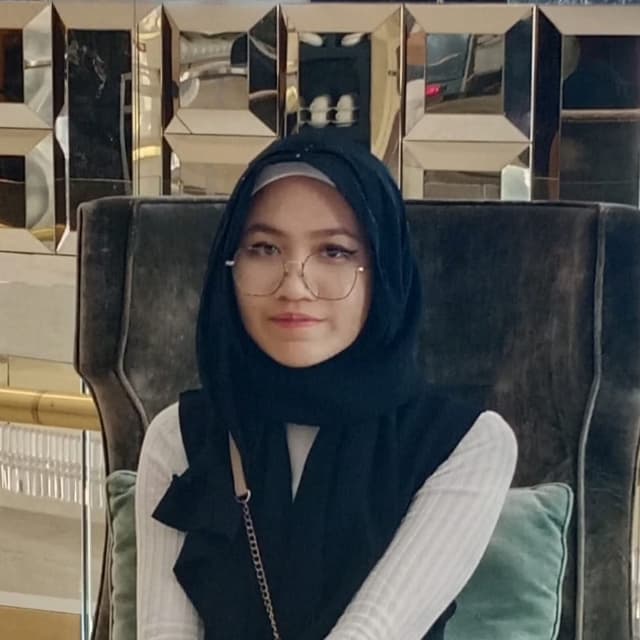
Zahera Mahmud
Media & Public Relations

Sara Zewil
Outreach Coordinator
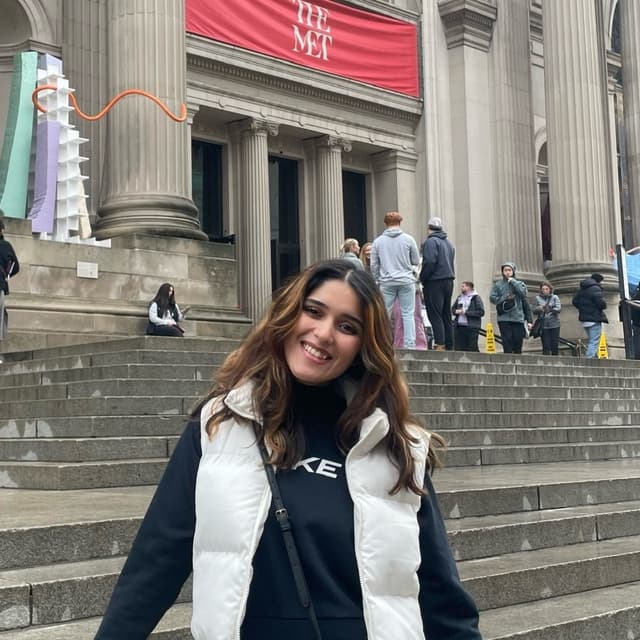
Fatima Yousaf
Operations Manager
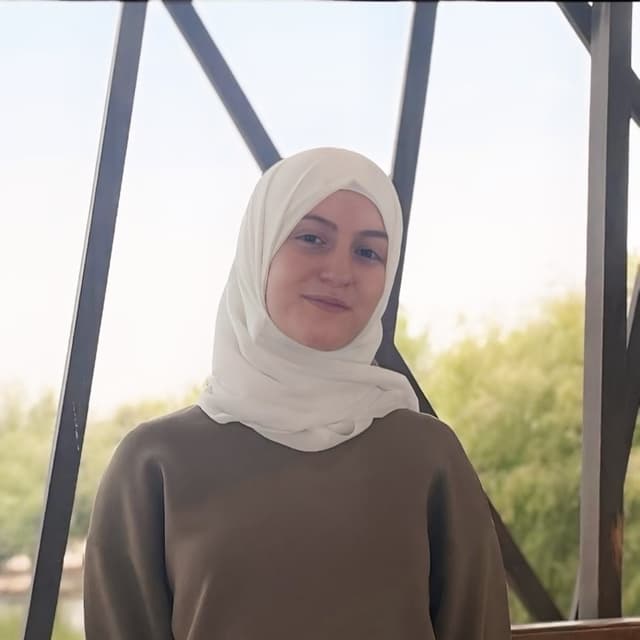
Rasha Arabi
Operations Manager
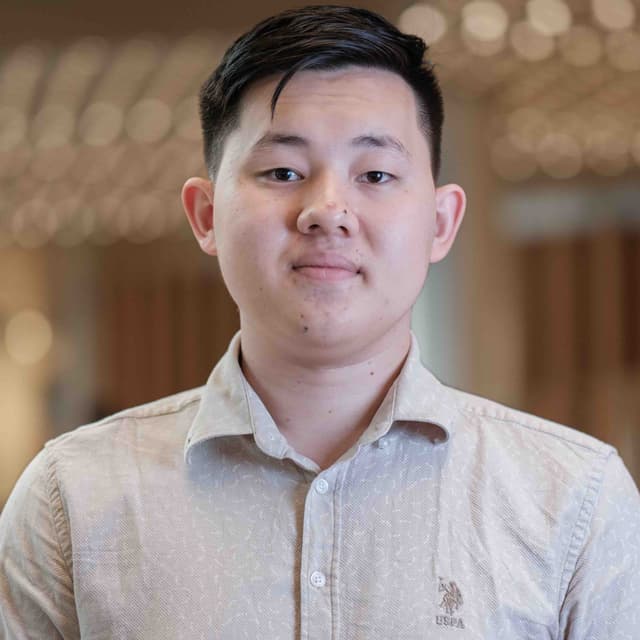
Ulan Seitkaliyev
Tech Lead
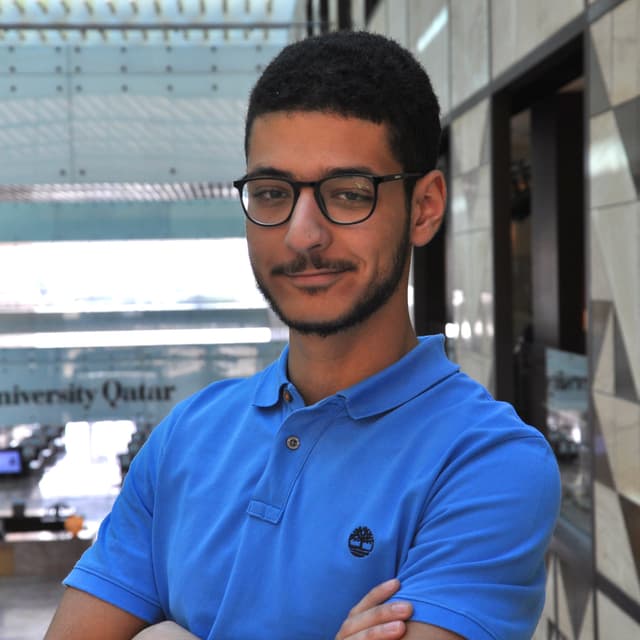
Hazem Elsayed
Outreach Coordinator

Abdelrahman Abdelnaby
Research Officer

Boushra Bendou
Operations Manager
Nour Ali
Team Lead
Aaliya Savira
Media & Public Relations
Eric Gao
Tech Lead
Mohamed Elsayed
Outreach Coordinator
Maryam Khodadadi
Media & Public Relations
Zahera Mahmud
Media & Public Relations
Sara Zewil
Outreach Coordinator
Fatima Yousaf
Operations Manager
Rasha Arabi
Operations Manager
Ulan Seitkaliyev
Tech Lead
Hazem Elsayed
Outreach Coordinator
Abdelrahman Abdelnaby
Research Officer
Boushra Bendou
Operations Manager
Our Vision
At Carnegie Mellon University in Qatar, we felt a responsibility to use our skills for a greater purpose. Driven to create life-saving software—where each line of code is a lifeline—we founded LifeLines, a platform that merges innovation with humanitarian action.
Bringing together students, educators, and professionals, we develop solutions to mitigate the impacts of global humanitarian crises, combining technology and compassion to offer support and hope to those in need.
Our Mission
We focus on three core principles that guide our efforts:
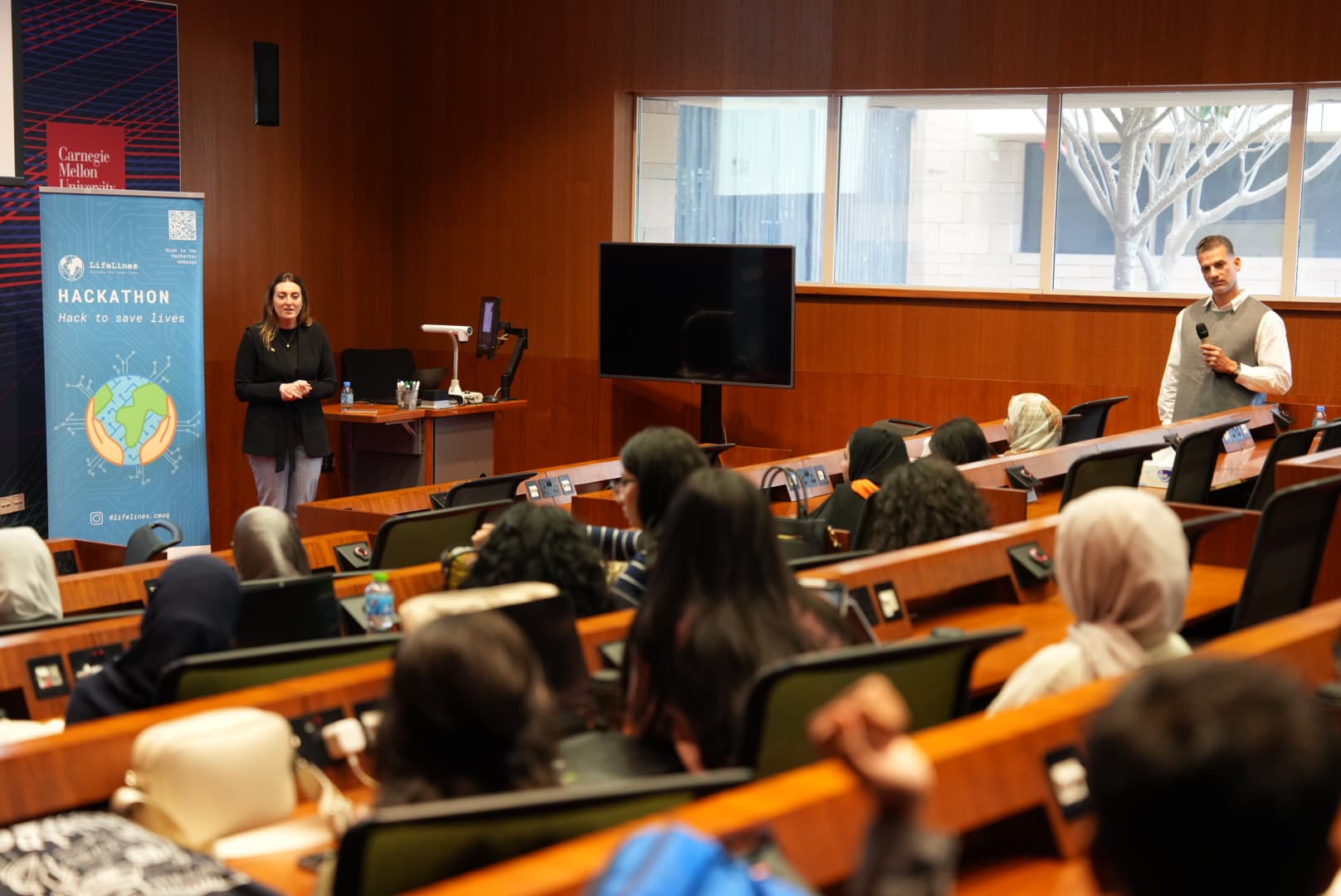
To Educate
- We teach students about their privilege and global responsibility, equipping them with the skills and experiences needed to make a real-world impact.
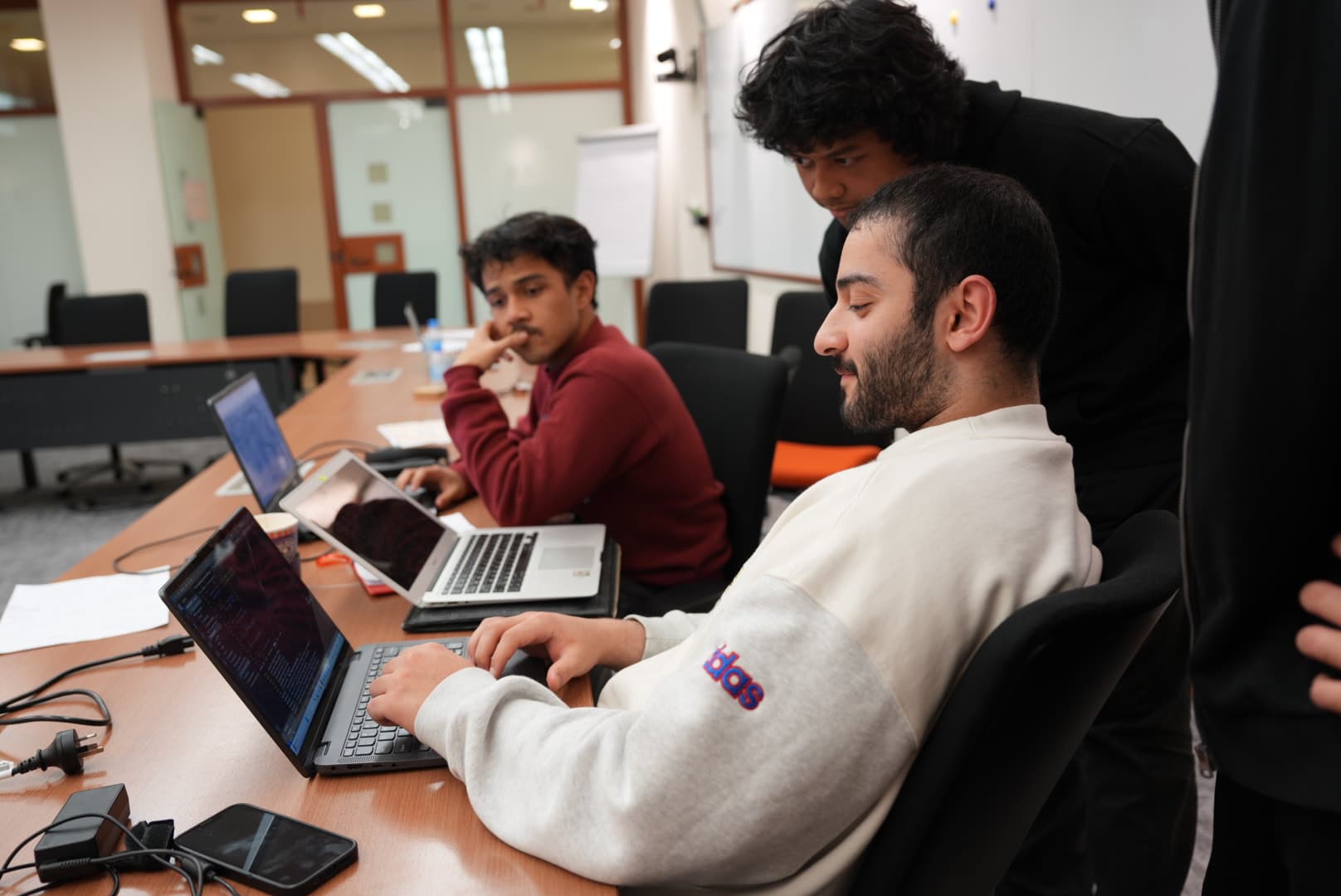
To Create
- With this knowledge, we inspire students to develop software that saves lives to address humanitarian crises both on the ground and digitally.
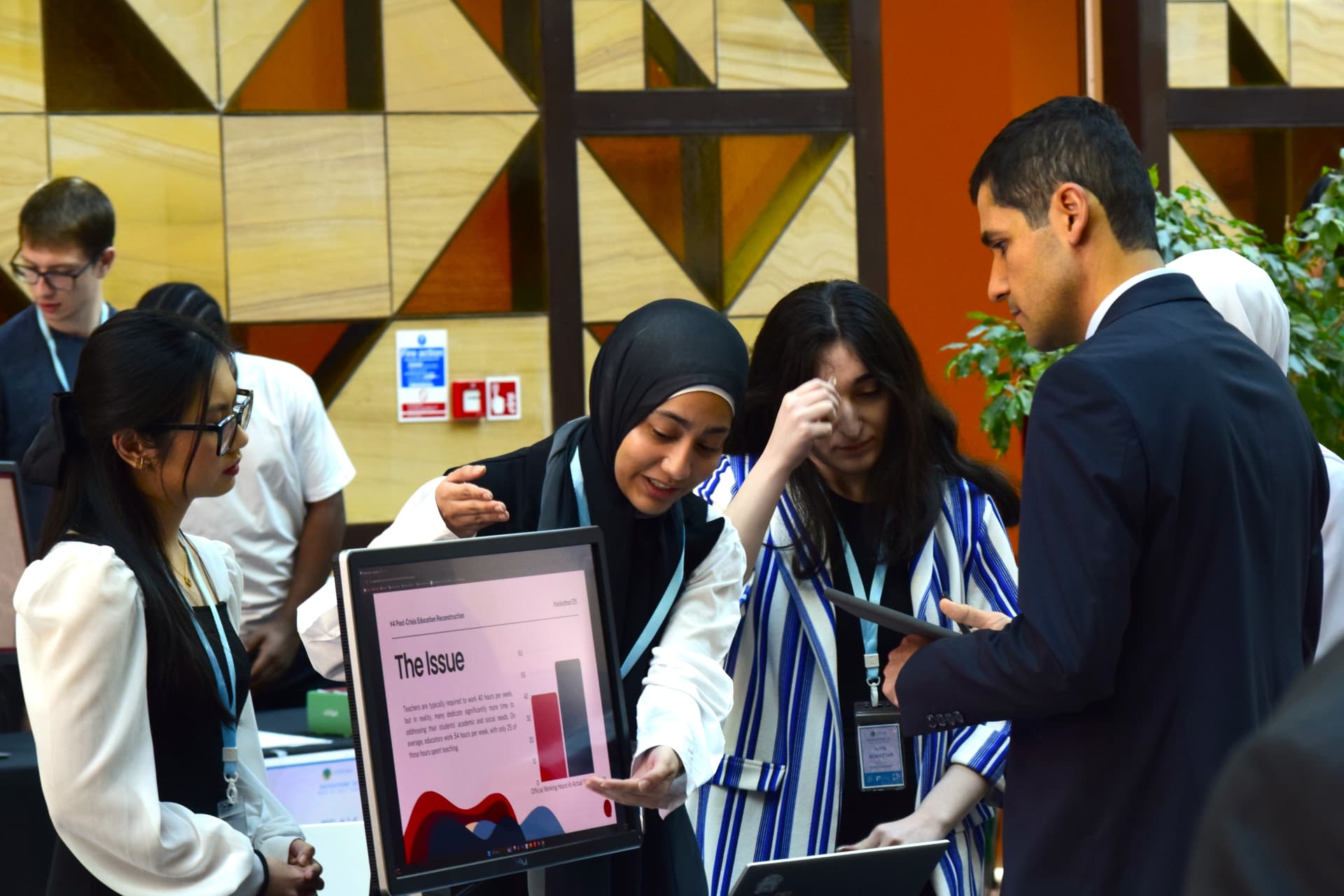
To Empower
- We connect students with experts and stakeholders, empowering them to transform their ideas into impactful, real-world solutions.
Our Hackathons
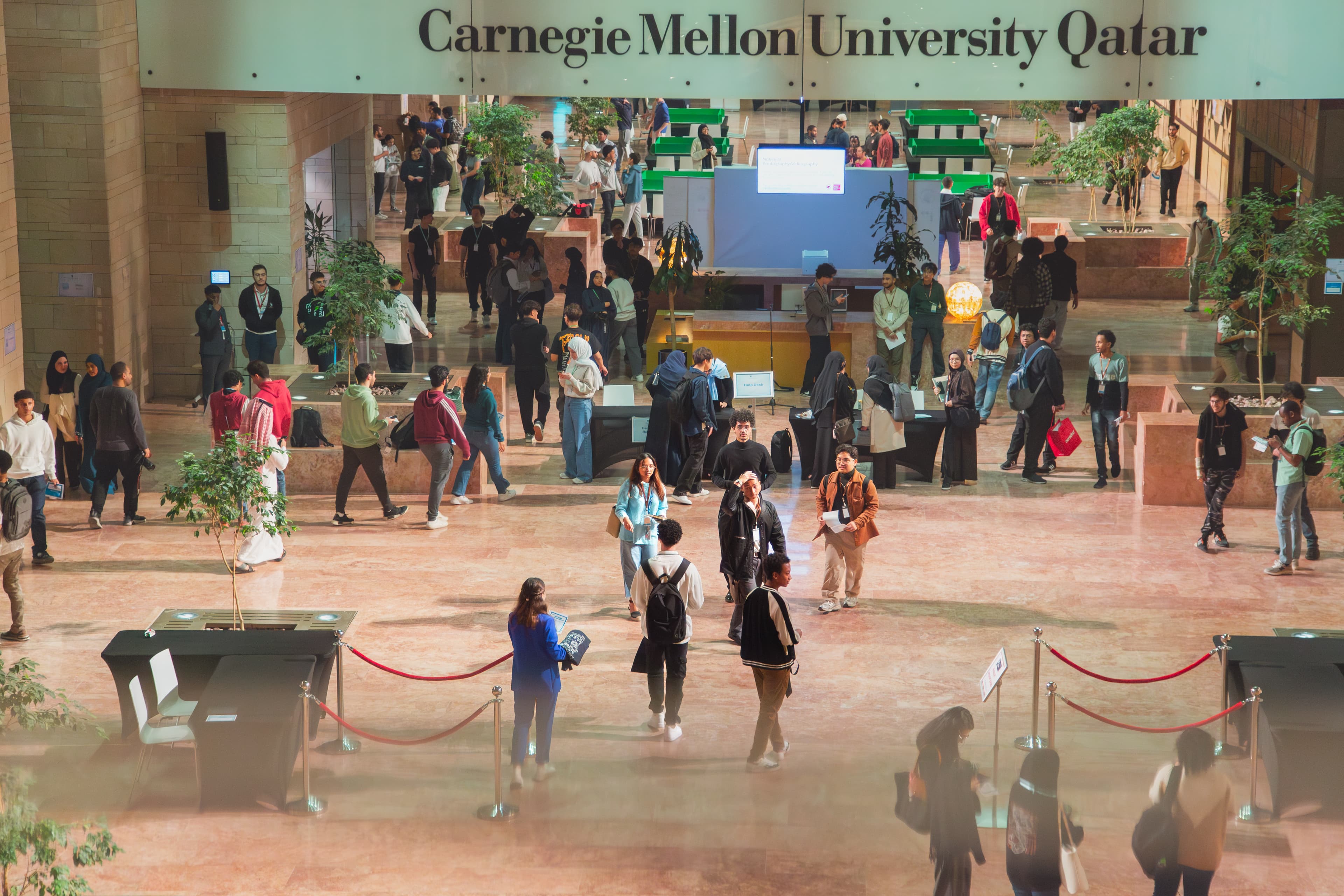
LifeLines debuted with Hackathon '24, a dynamic event where students from diverse backgrounds came together to design impactful solutions to pressing humanitarian challenges. Since then, we've continued to host hackathons that unite students in collaborative innovation, exploring evolving themes such as Health, Education, Crisis Management, Media & Awareness, and beyond.
Components of a LifeLines Hackathon
 01
01Ideation
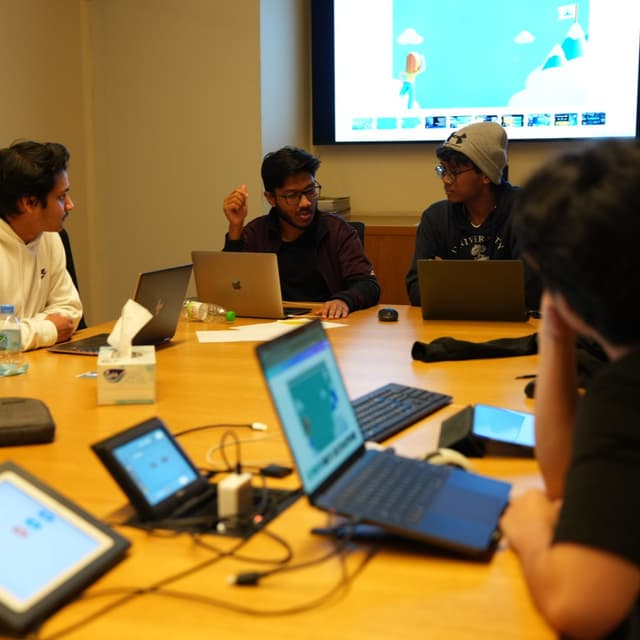
Collaborative brainstorming around humanitarian challenges.
 02
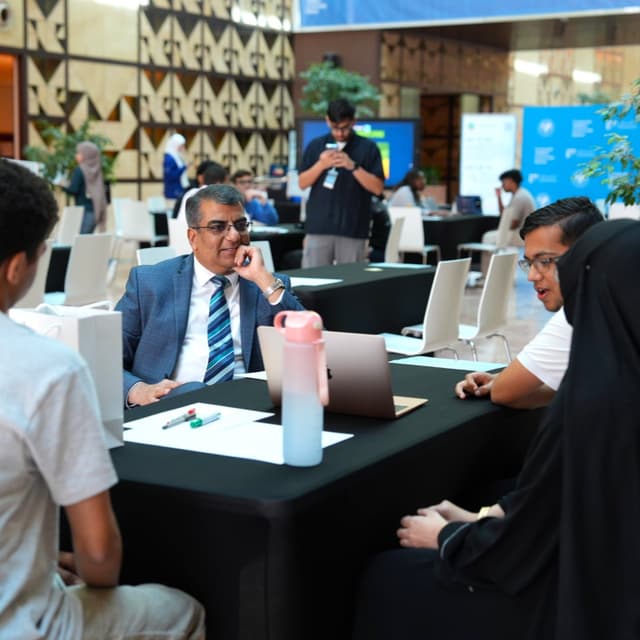
02Mentorship
Expert guidance from industry, academia, and NGO professionals.
 03
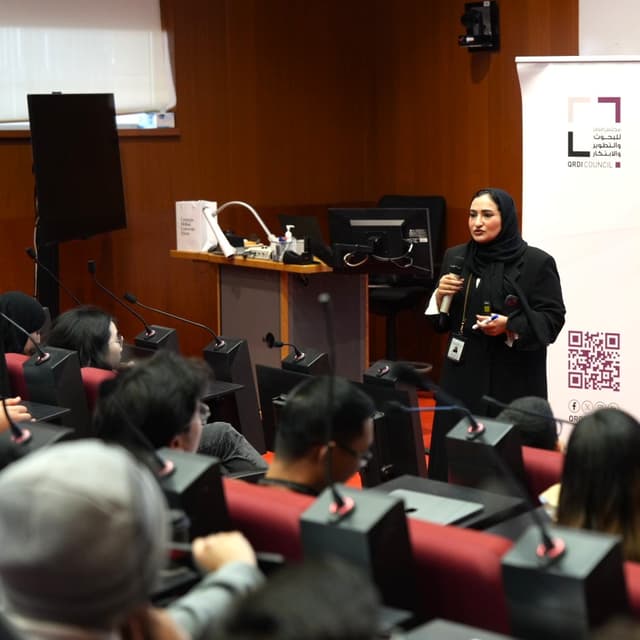
03Workshops
Interactive skill-building on design thinking and rapid prototyping.
 04
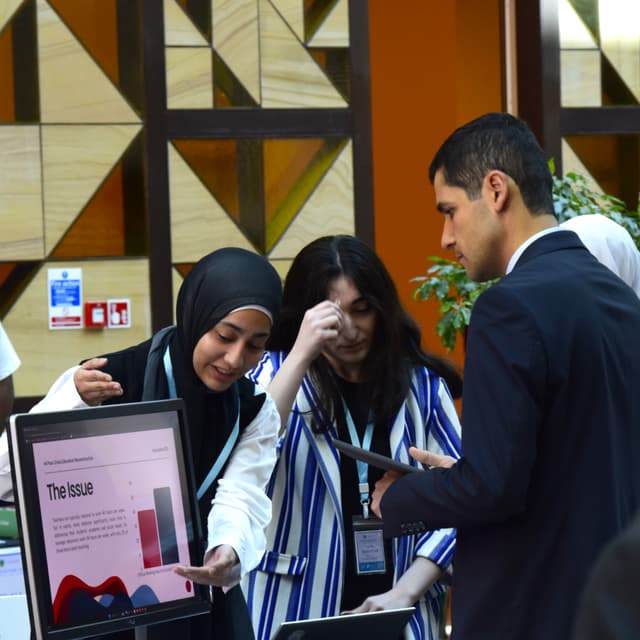
04Judging
Evaluation based on innovation, feasibility, and humanitarian impact.
 05
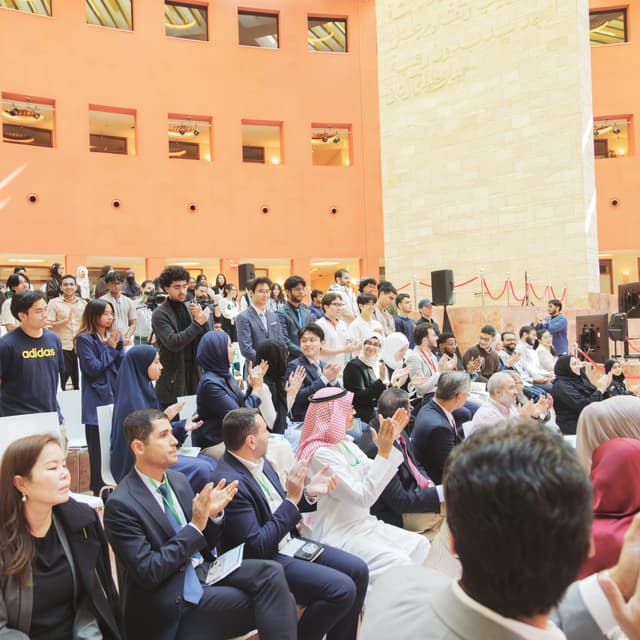
05Closing
Awards, networking, and continued inspiration.